
My Journey
From Engineering toThe Future of Work
7 stages from Pre-2014 to today. Jump between them using the sidebar on the left.Use the progress bar at the bottom to navigate.
Asturias: Where It Started
It started in Asturias, Spain. University, first real jobs building software with people who cared deeply about doing it right. Great mentors on the engineering side. An inspiring CEO who became a lasting reference point for what leadership can look like.
In 2009-2010 I did an exchange year at the University in Stuttgart. That was when I discovered Berlin for the first time, and I became completely obsessed with it. I went back every year after that: alone, with friends, with partners. Each visit confirmed the same feeling.
During those years I also started joining European software development events and conferences. I gave my first public talks, and discovered something unexpected: I loved sharing what I was learning almost as much as learning it. By the time I was ready for the next leap, I knew exactly where I wanted to go.
Berlin: Craft & Community
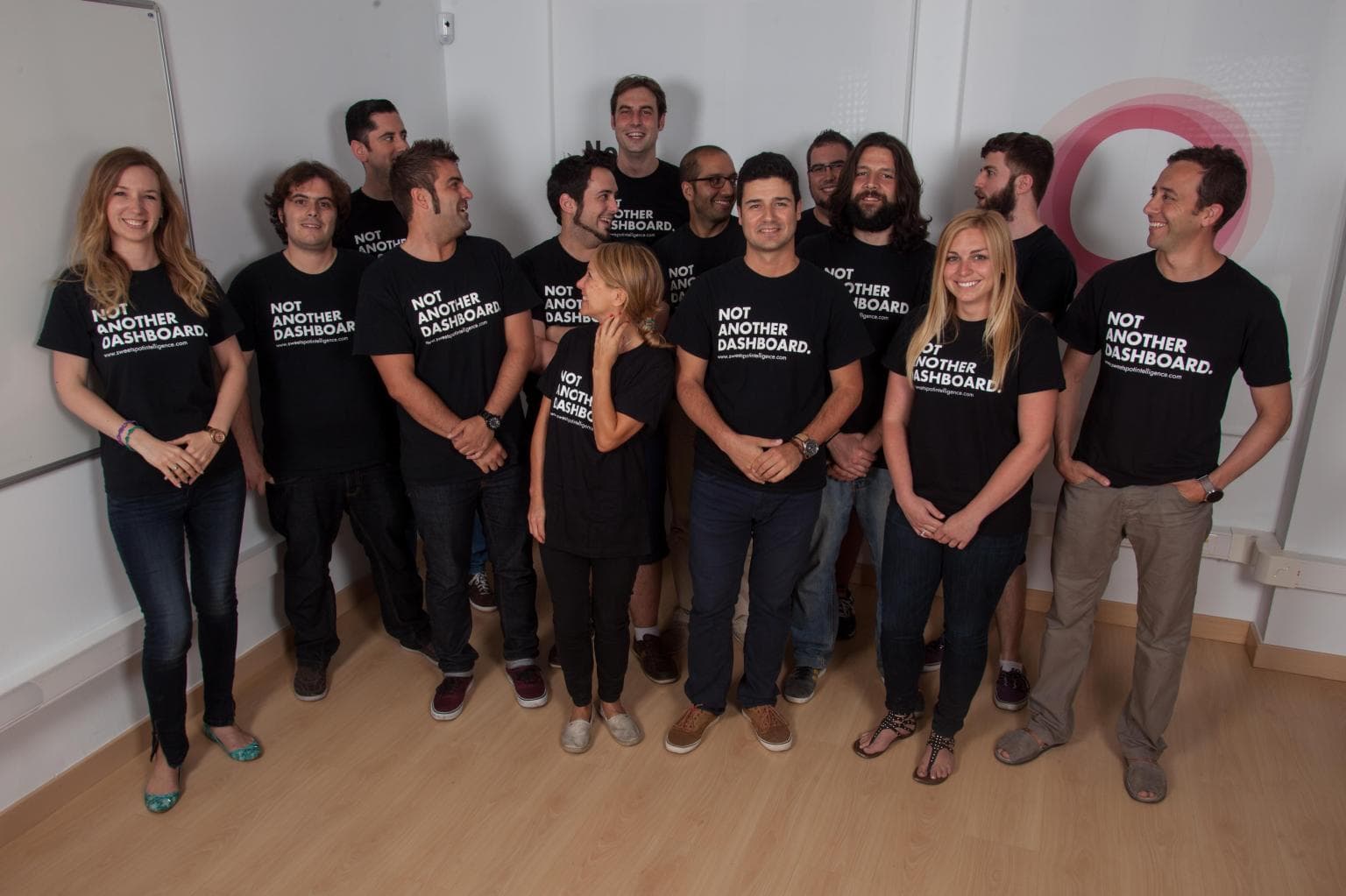
Finally. My dream come true. I fell in love with Berlin all over again — a city so layered and alive that no brief description does it justice. I joined Babbel and the rise was meteoric: soon after joining I was participating in hiring processes, and half a year in I was promoted to Senior Software Engineer. On the payments team we practised eXtreme Programming and Test-Driven Development with a crew that took craft seriously.
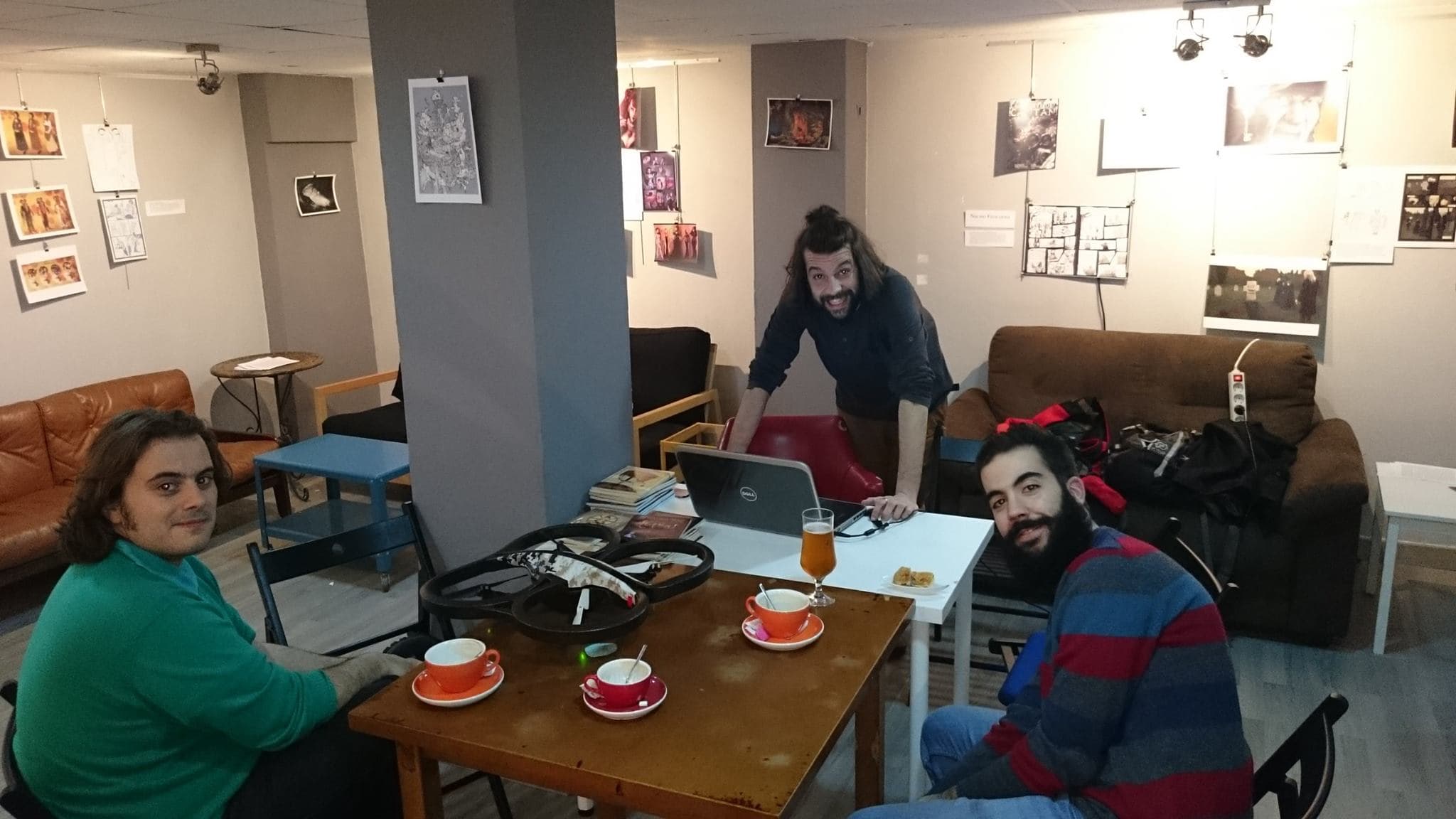
My participation in community events increased more and more. Thank you Babbel for the generous continuous learning budget that allowed engineering and product colleagues to frequently visit events and conferences. I became a regular at Ruby User Group Berlin and SWK Berlin. Then I attended my first SoCraTes event in Belgium — my very first Open Space experience. I got completely hooked, and went on to join many more: Canary Islands, Soltau, SoCraTes Day events across Europe.
In parallel, I kept traveling solo, mostly backpacking, more and more. Confirming that there are few things I enjoy more in life than waking up in a place I know nothing about, not even the language.
Nomadic Pivot: SW on the Road
Aiming for freedom, driven by curiosity, and a little afraid of being trapped in Berlin for the rest of my life (did I mention I love Berlin?). After years of being inspired by people who had spent months or years moving between countries, absorbing knowledge by full immersion, I decided it was time to pull the trigger. I quit my job at Babbel, sold most of what I owned, packed a single backpack, and left without a return date. No fixed costs anywhere. I've been fascinated with exploring the world ever since — and the older I get, the slower I move.
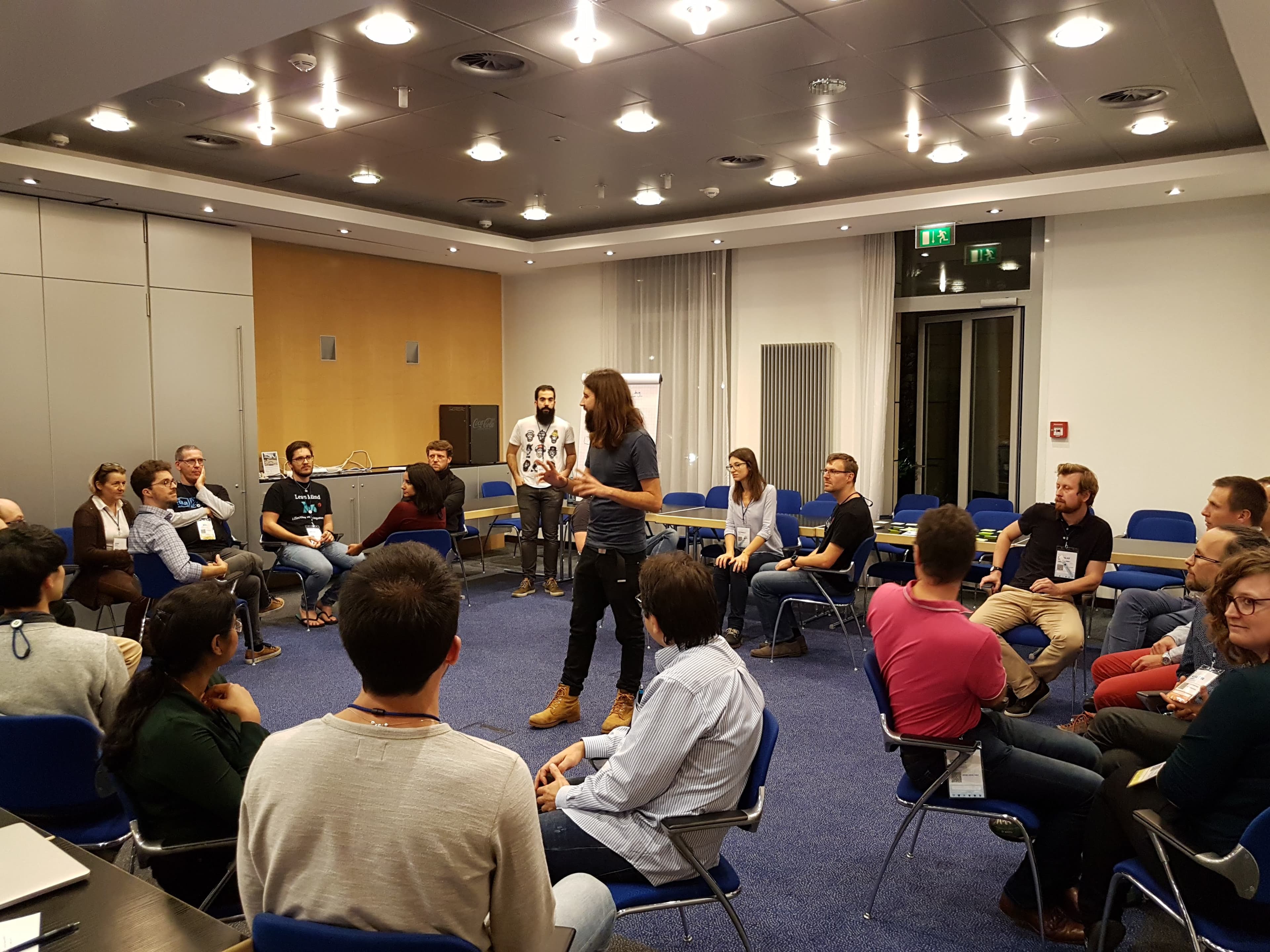
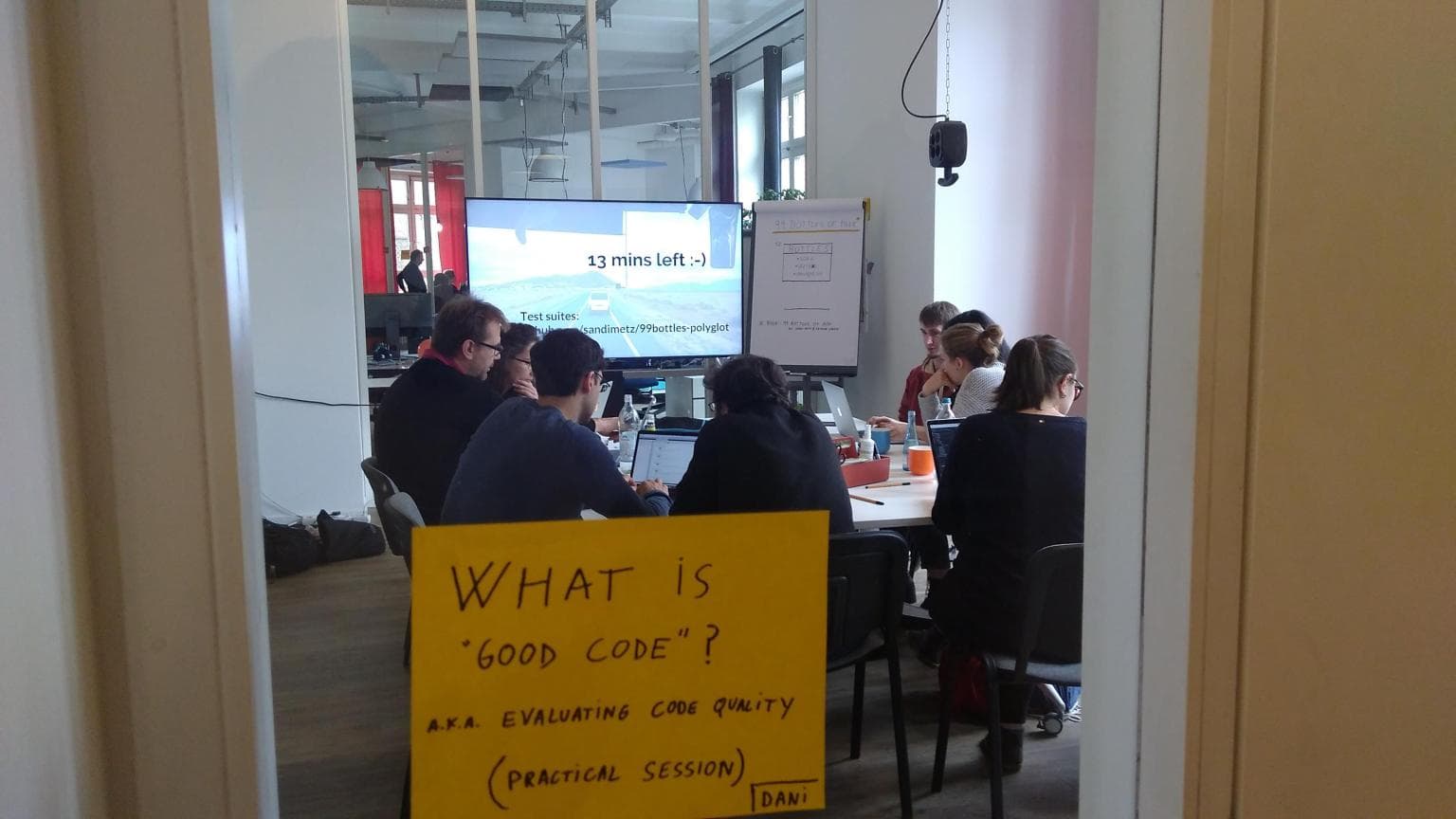
Then serendipity struck. Raimo wrote to invite me to the SoCraTes Day Berlin he was organizing. After so many years participating in community events, the urge to give back was undeniable. That invitation accelerated my very first attempt at technical facilitation. “What is Good Code? Evaluating Code Quality” was born that day, and I ended up facilitating it more than 10 times in the weeks and months that followed, including for 40+ participants at I.T.A.K.E. Unconference in Bucharest, Romania.
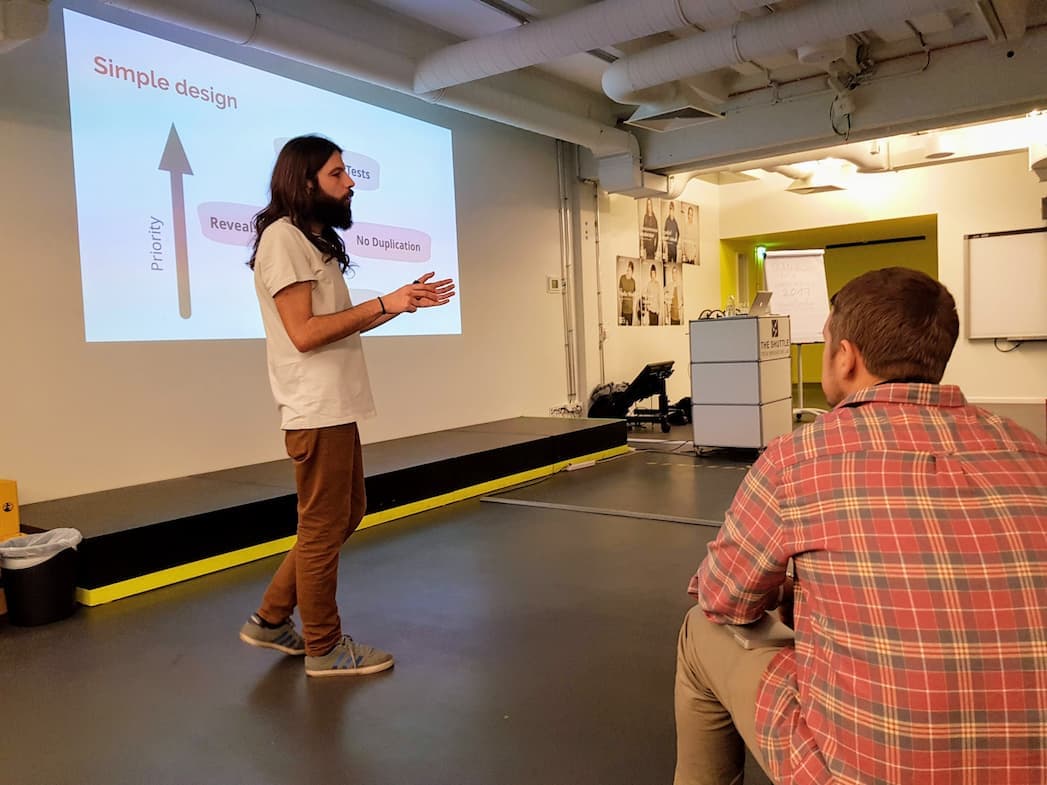
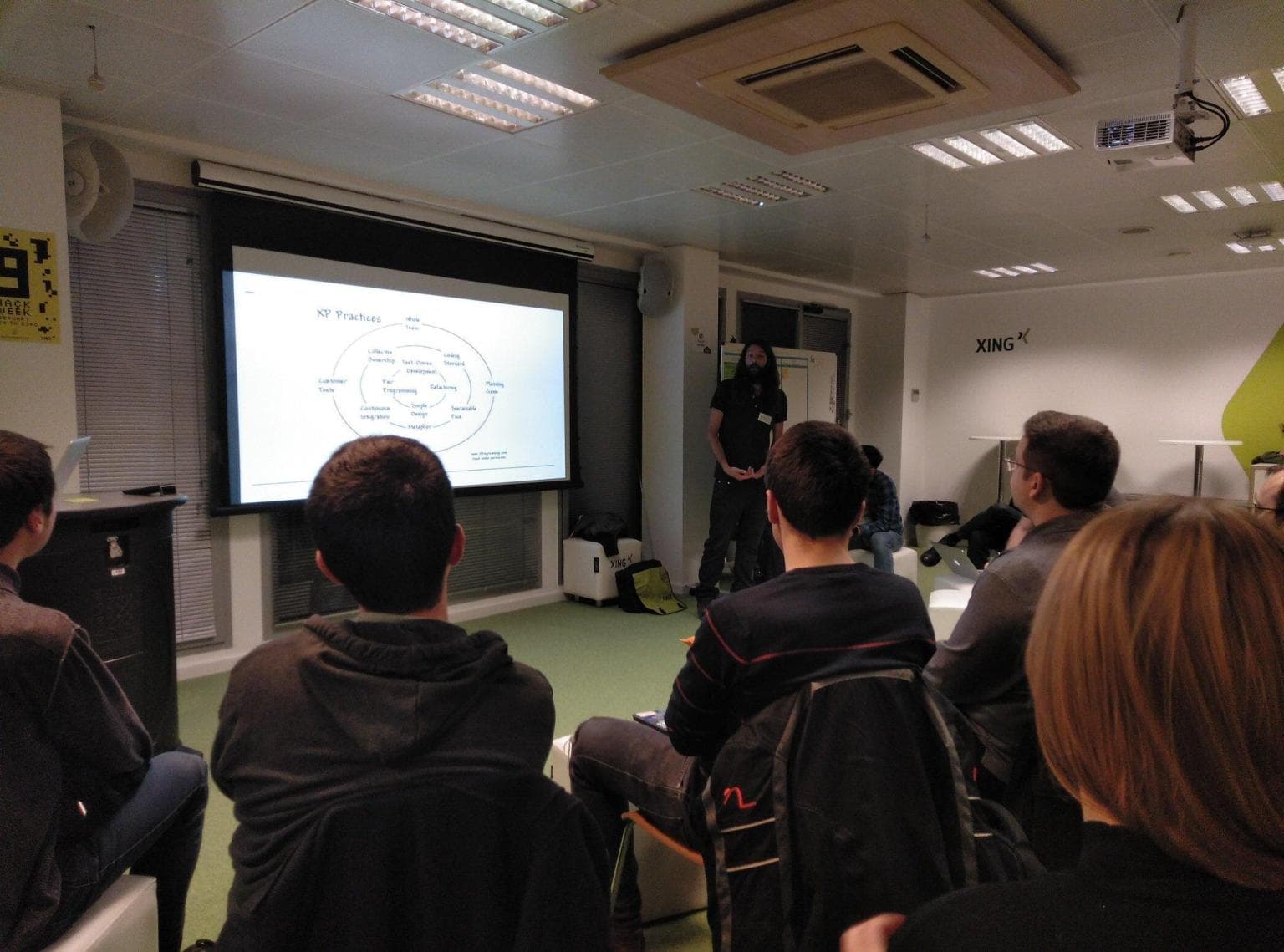
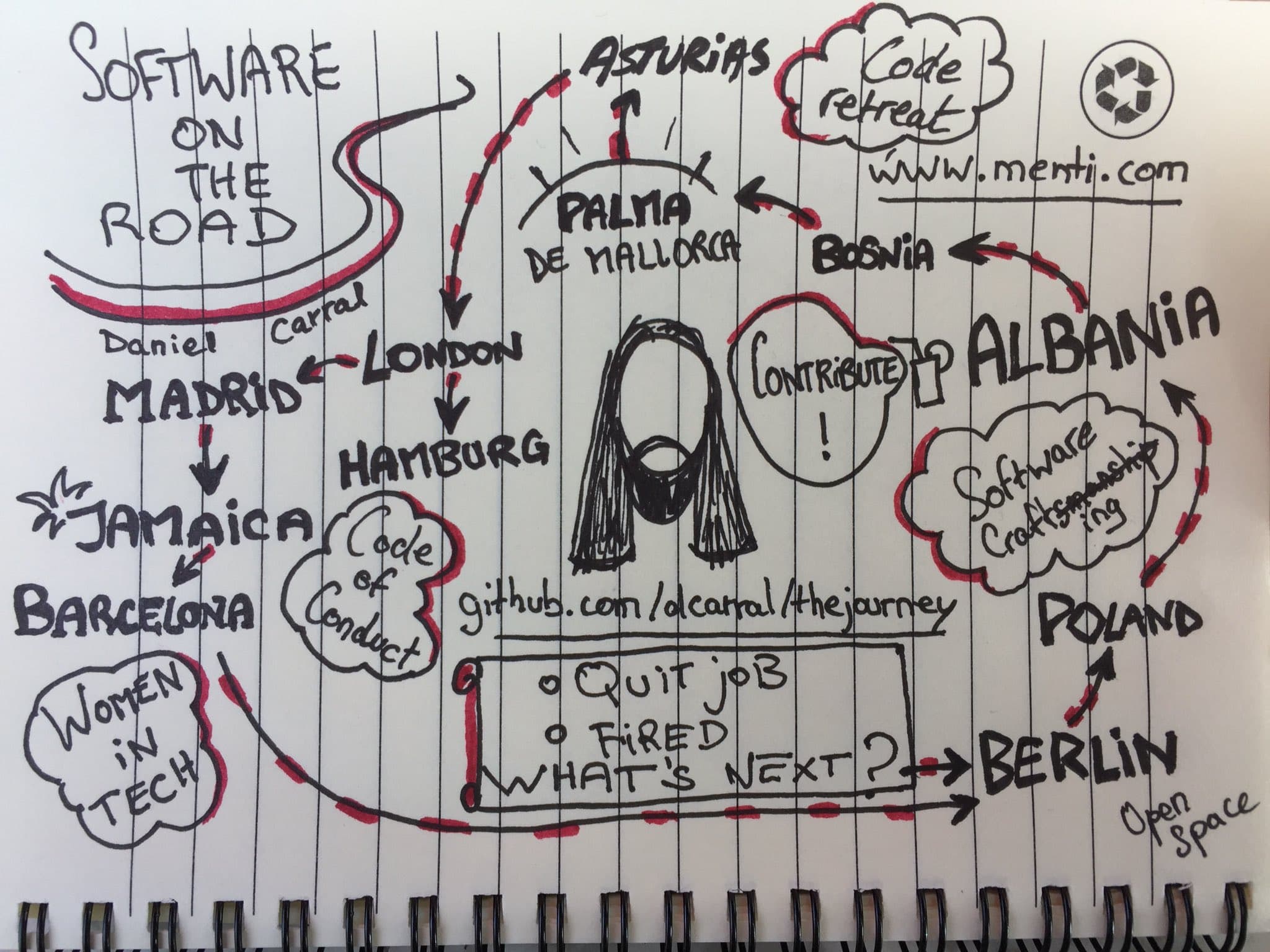
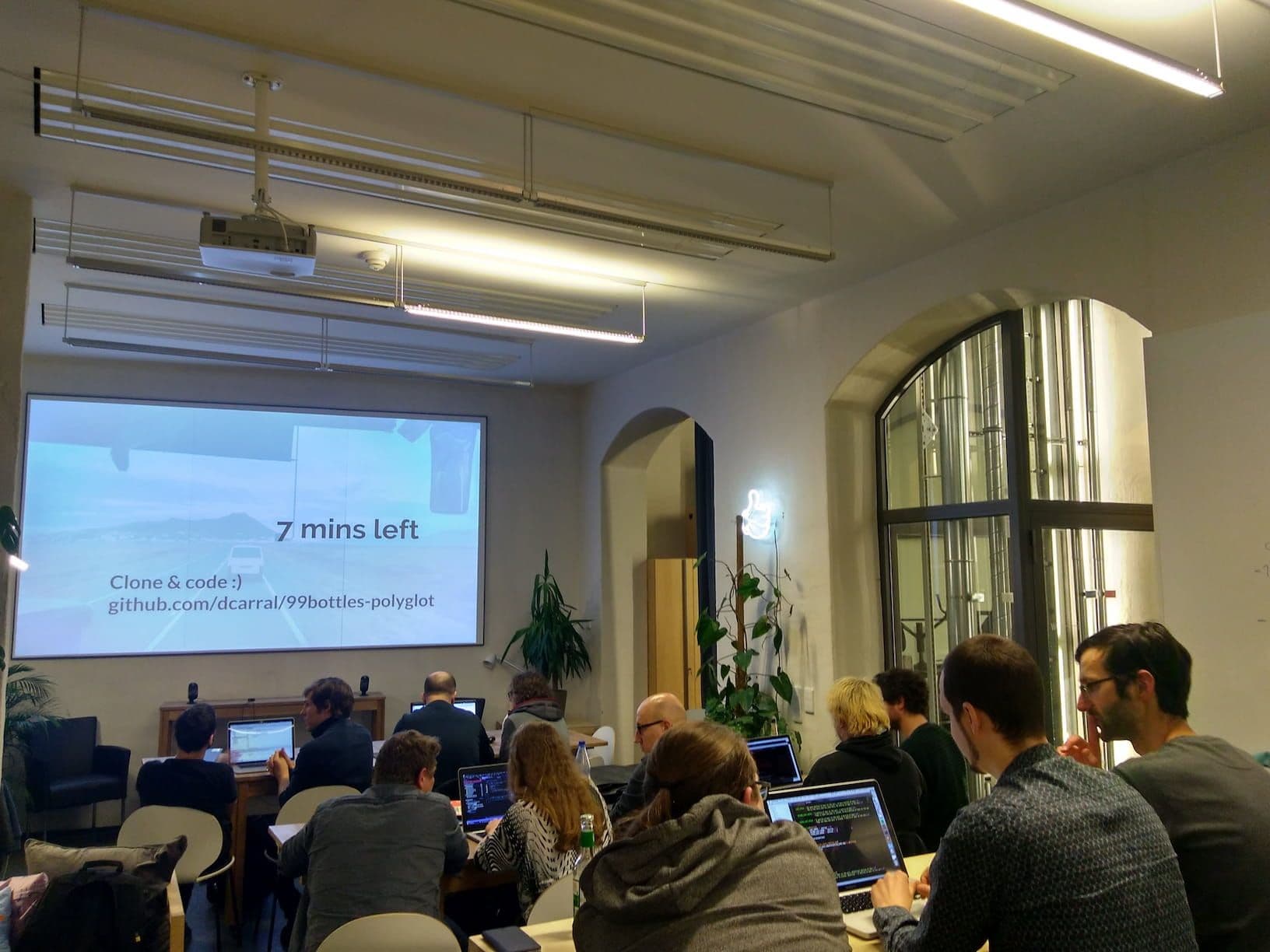
What followed became “Software on the Road: the Journey”: visiting software development communities across Europe, delivering talks and facilitating coding dojos and technical workshops in Berlin, Hamburg, Leipzig, Barcelona, Toulouse, Mallorca, Asturias, and more. Every city brought different problems, different assumptions, different ways of thinking about the same craft.
Consulting, Management & Technical Trainings
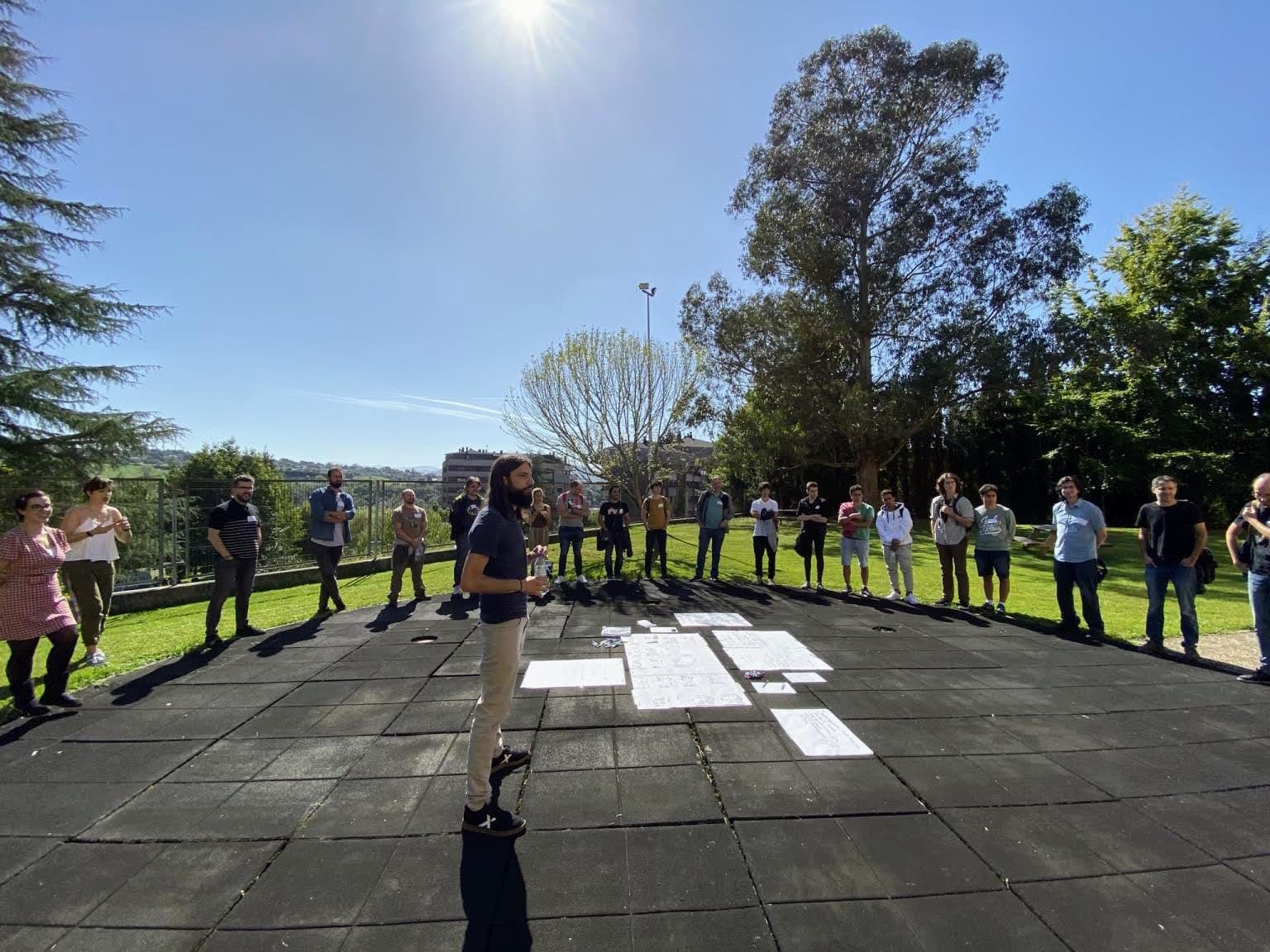
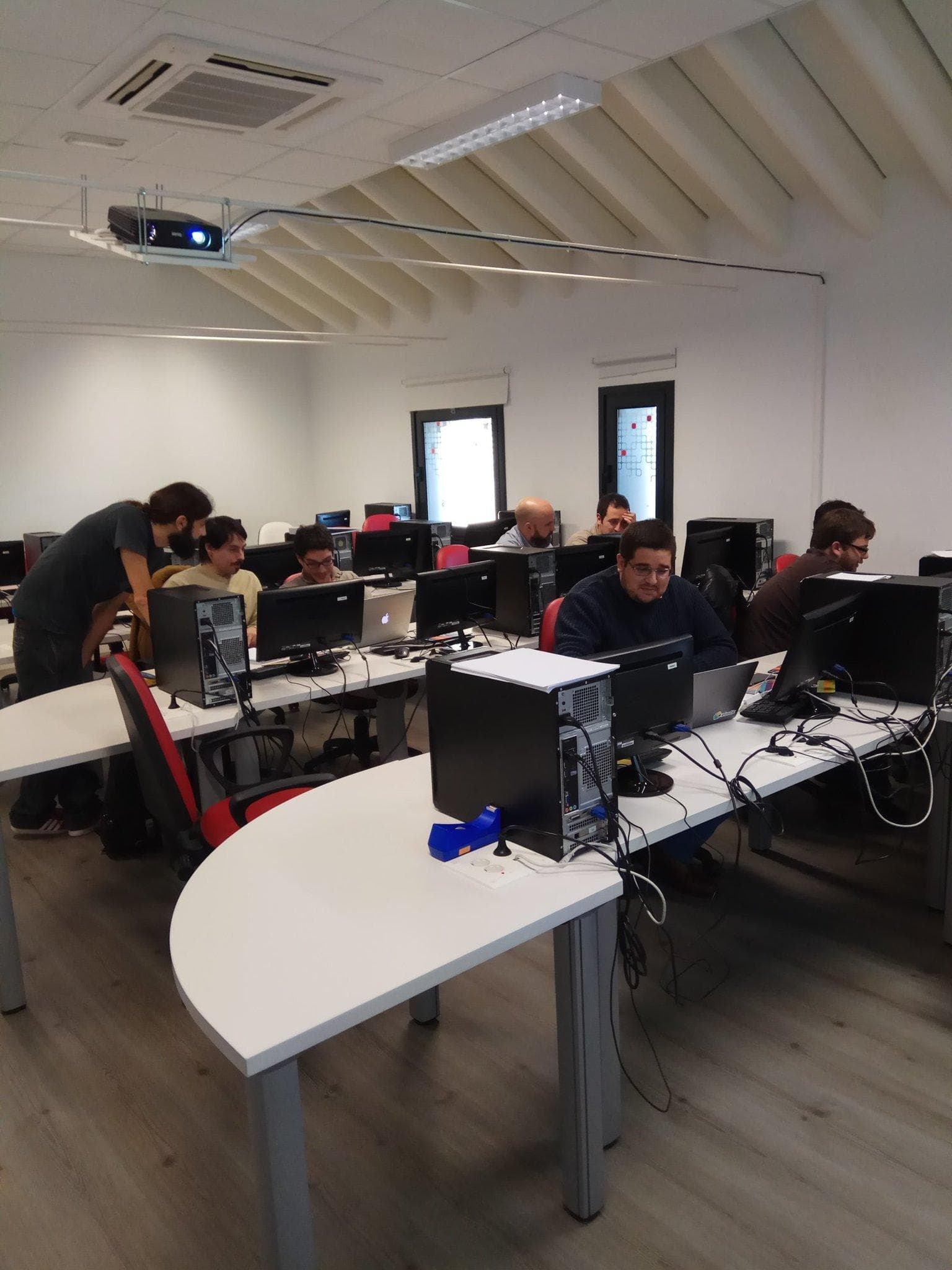
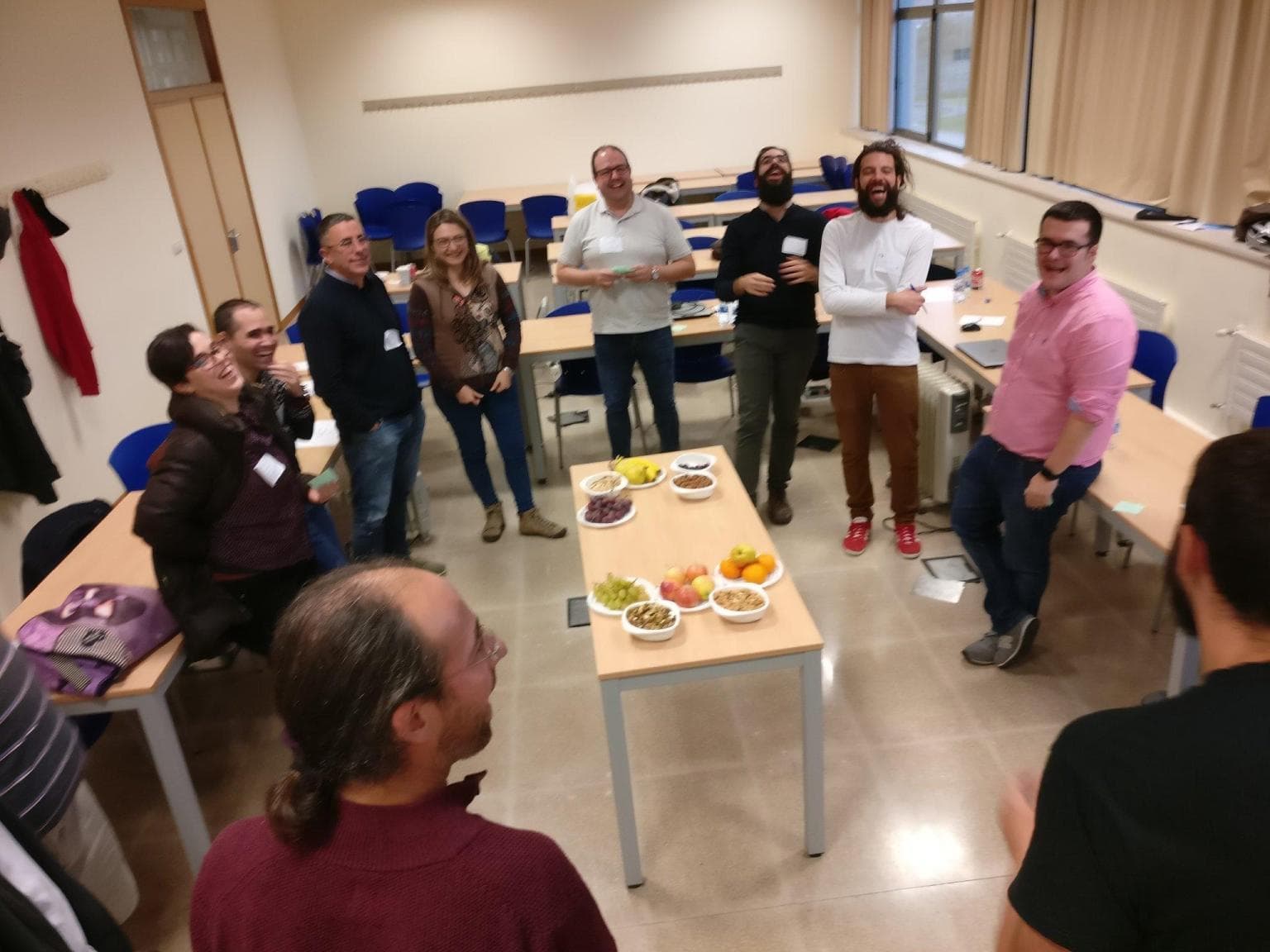
Back with roots. I co-facilitated the first Coderetreat in Asturias with Sergio Álvarez, founder of AsturiasHacking, and facilitated an Open Space at the University of Oviedo that turned a room full of skeptics into genuine collaborators. I also delivered technical trainings for Talento Corporativo and Isastur, together with Jonatan González.
Then I joined trendig first, and PrivacyCloudlater, to give a proper try to corporate consulting and software engineering management. I discovered that the hardest engineering problems aren't in the code. They're in the room. A great solution inside a broken system just gets swallowed by the system.
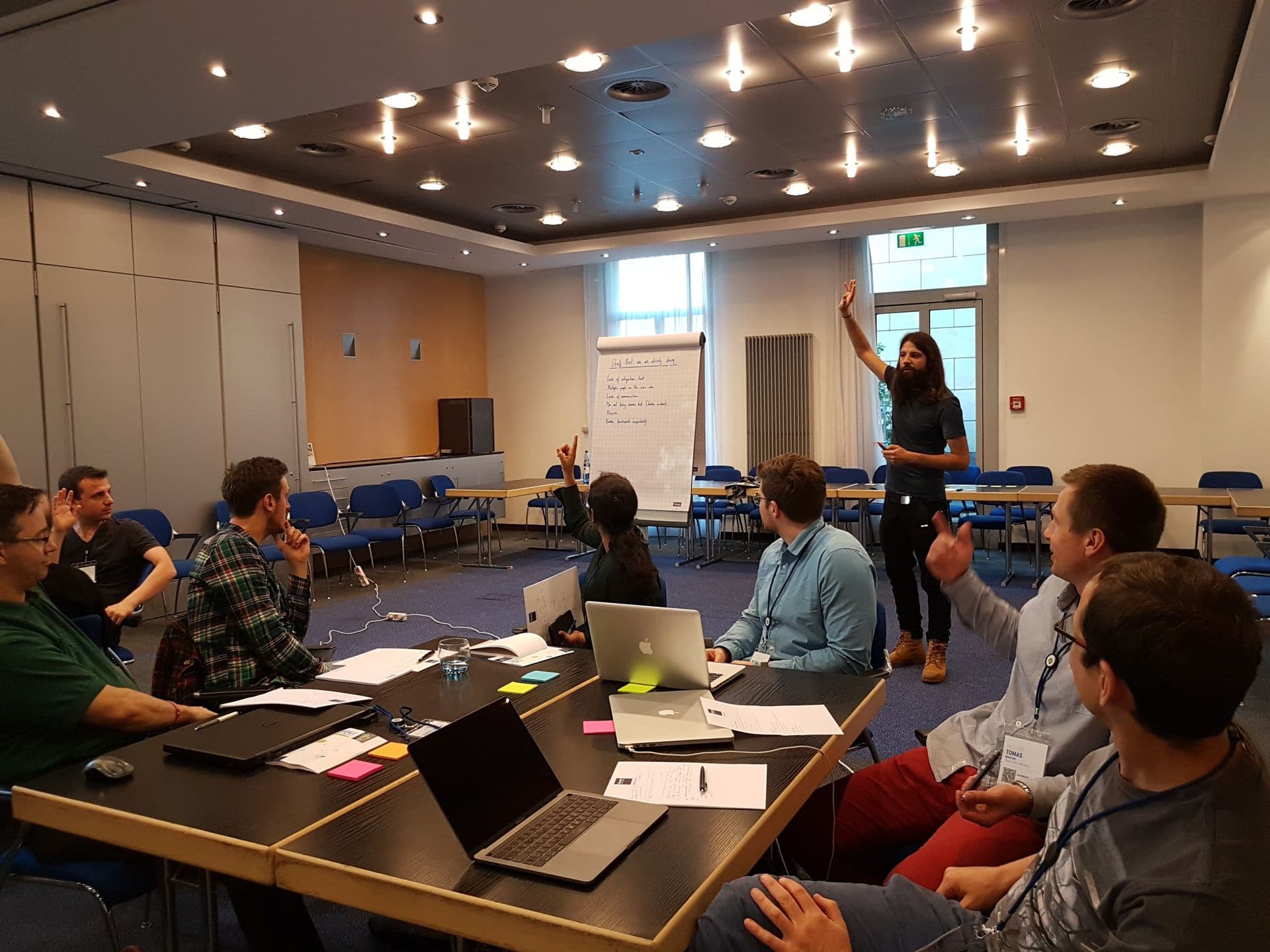
Open Space Technology became a lasting revelation: a format with almost no pre-set agenda where participants self-organize around problems that genuinely matter to them. Psychological safety and genuine autonomy are the real facilitators. Structure just creates the conditions.
Hospitality & AI
Free from the familiar. I went 200% nomadic, still with the same backpack I started the journey with in 2017, and landed somewhere unexpected: boutique hospitality projects in remote, stunning natural locations. I brought the same software-craftsmanship mindset from Berlin — clean systems, psychological safety, continuous improvement. It translated.
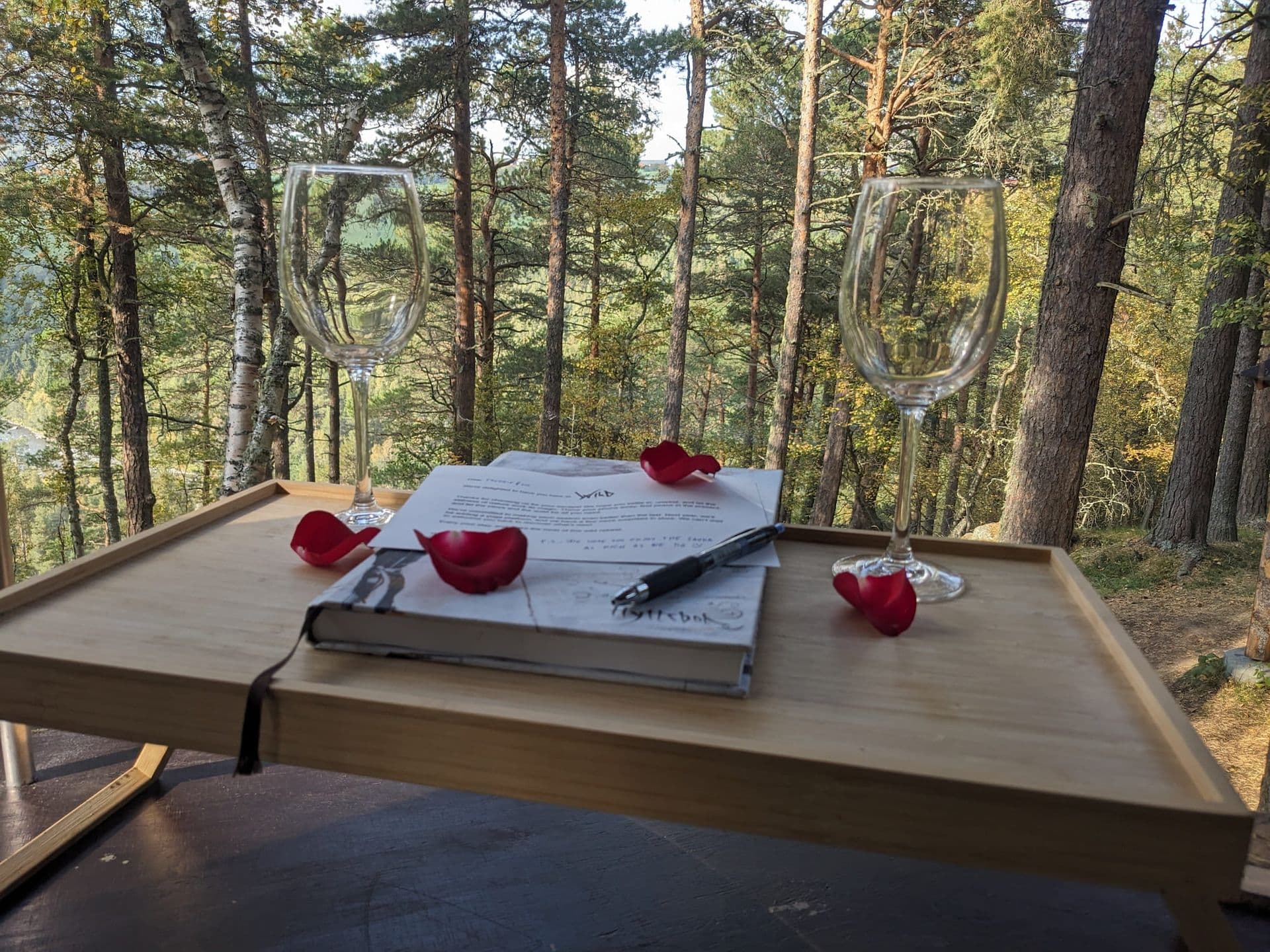
During one of these projects, Wild River Glamping in Norway, I first experimented with Generative AI as a genuine collaborator. Not a productivity shortcut. A partner in thinking. The technology was embryonic. The potential was obvious.
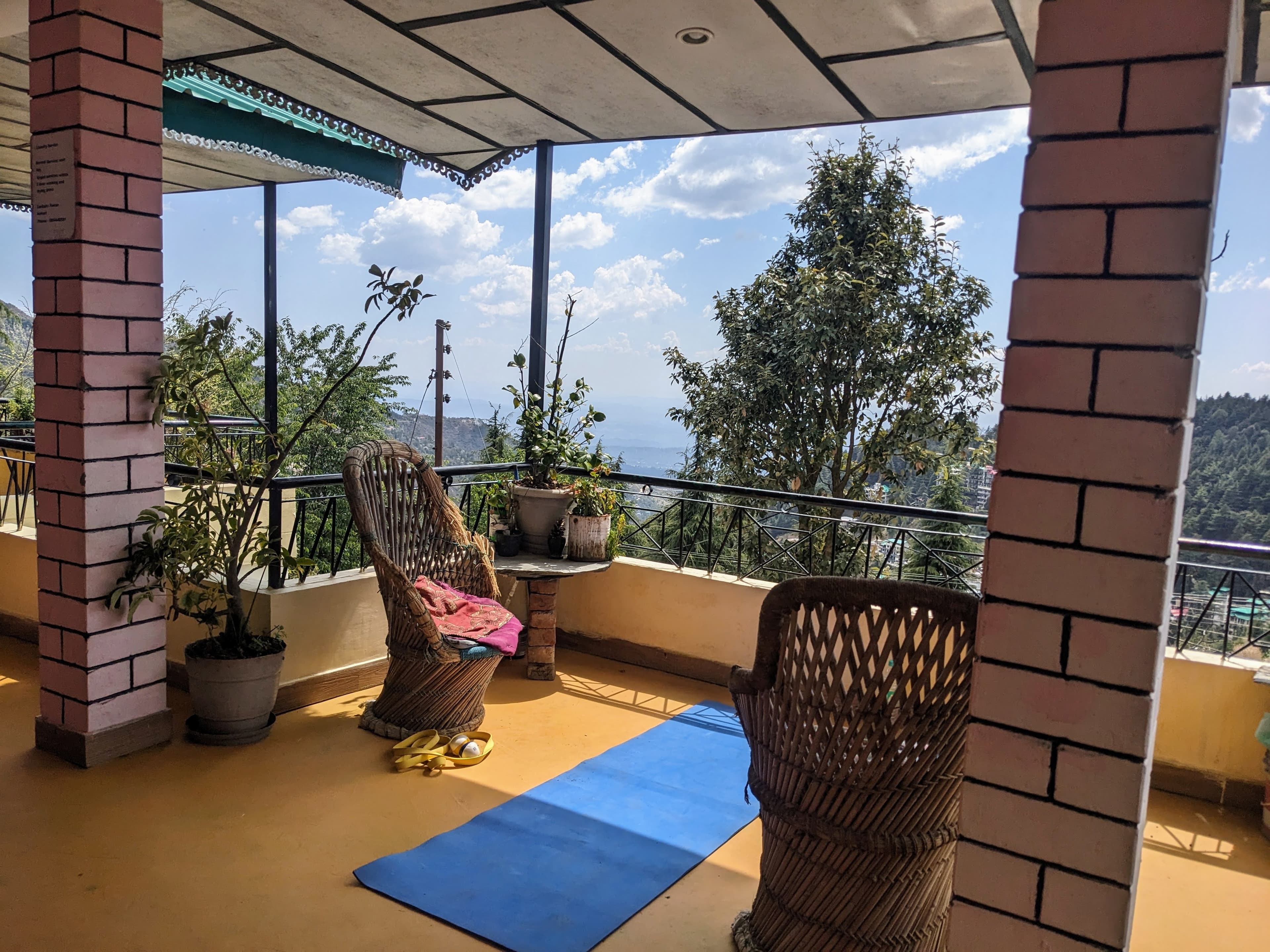
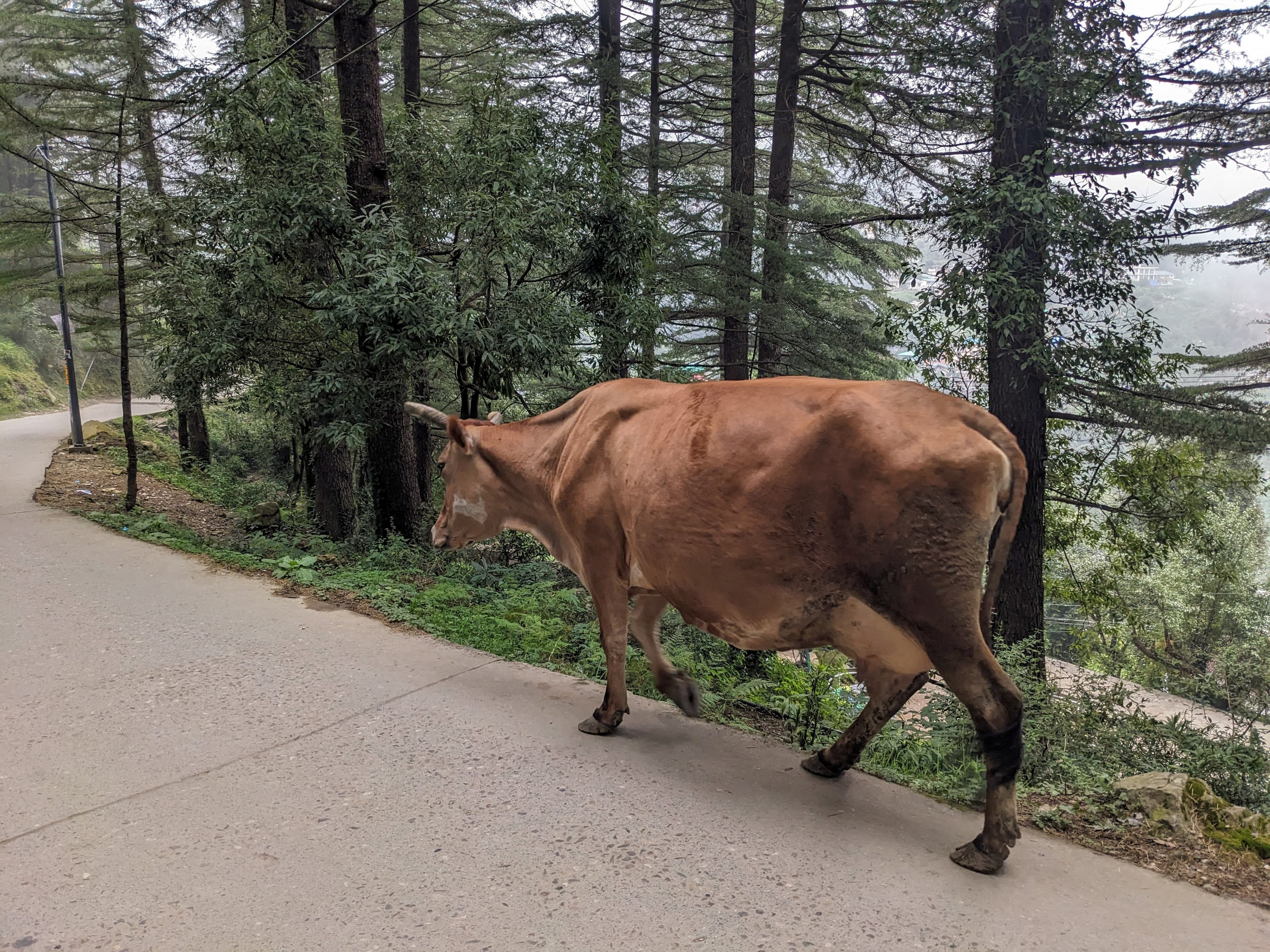
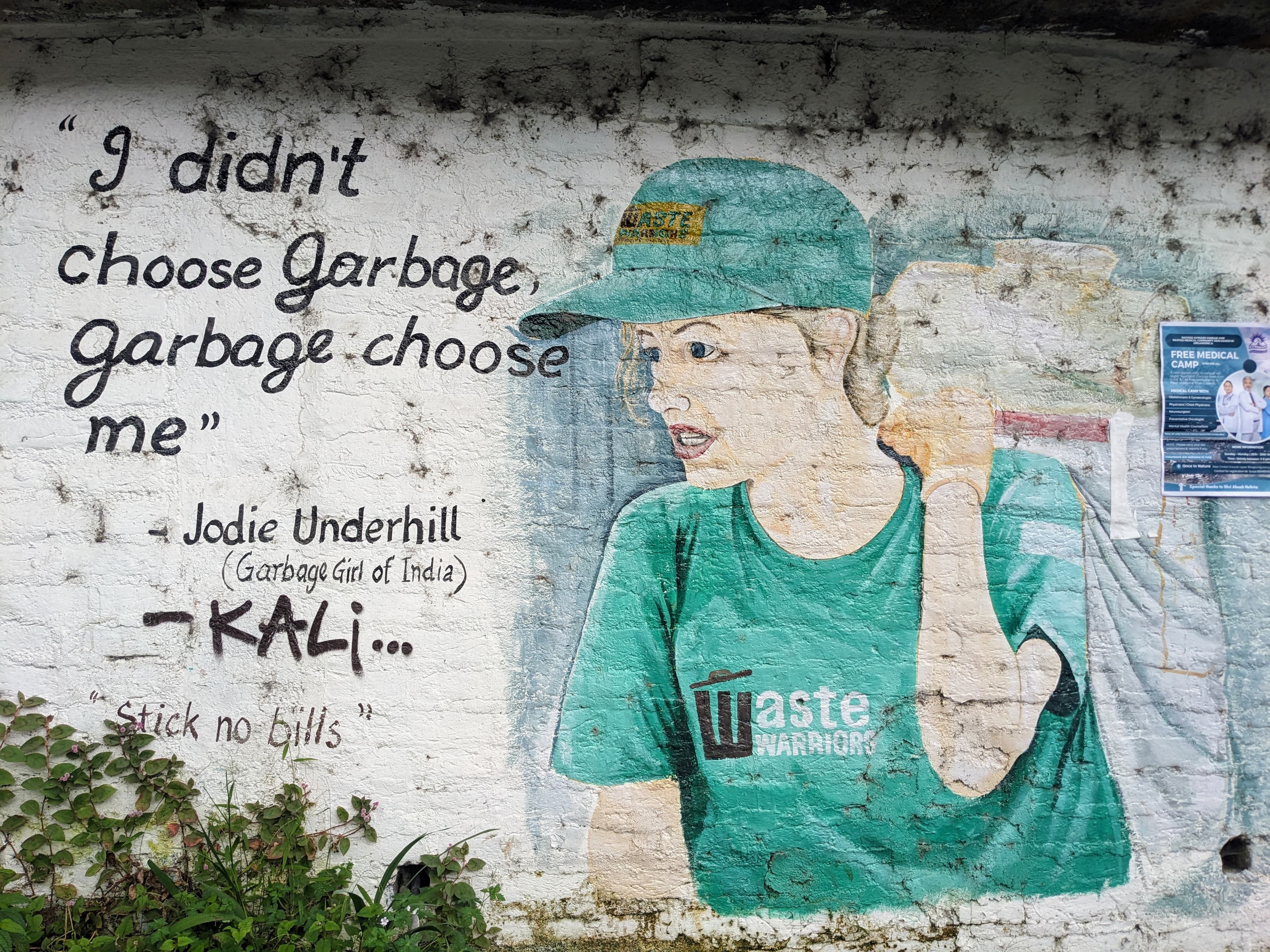
Himalayas: genAI Retreat
By 2024, the AI revolution was undeniable, but I kept seeing the same two failure modes: teams either ignoring it entirely, or bolting it onto broken processes and calling it transformation.
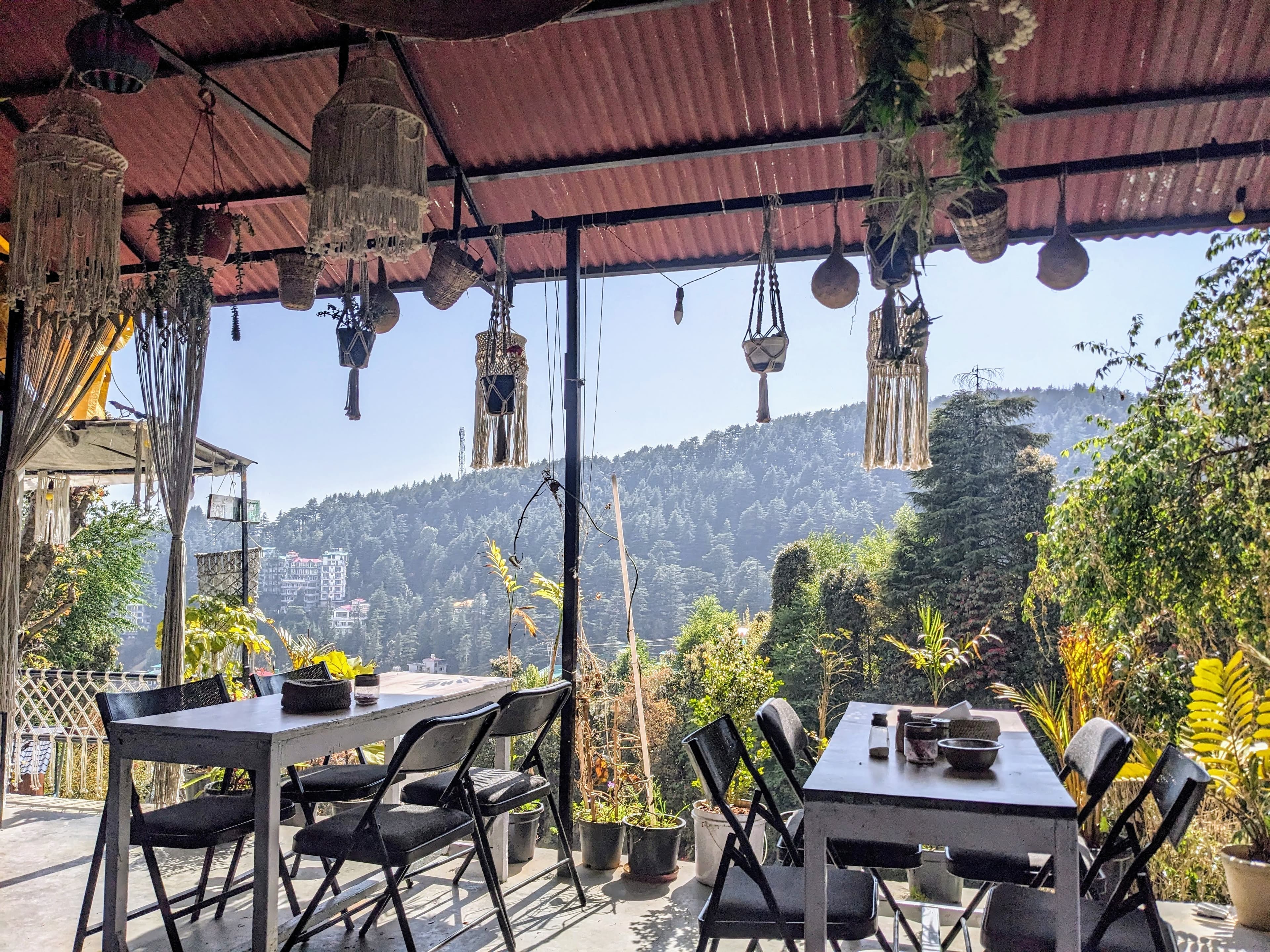
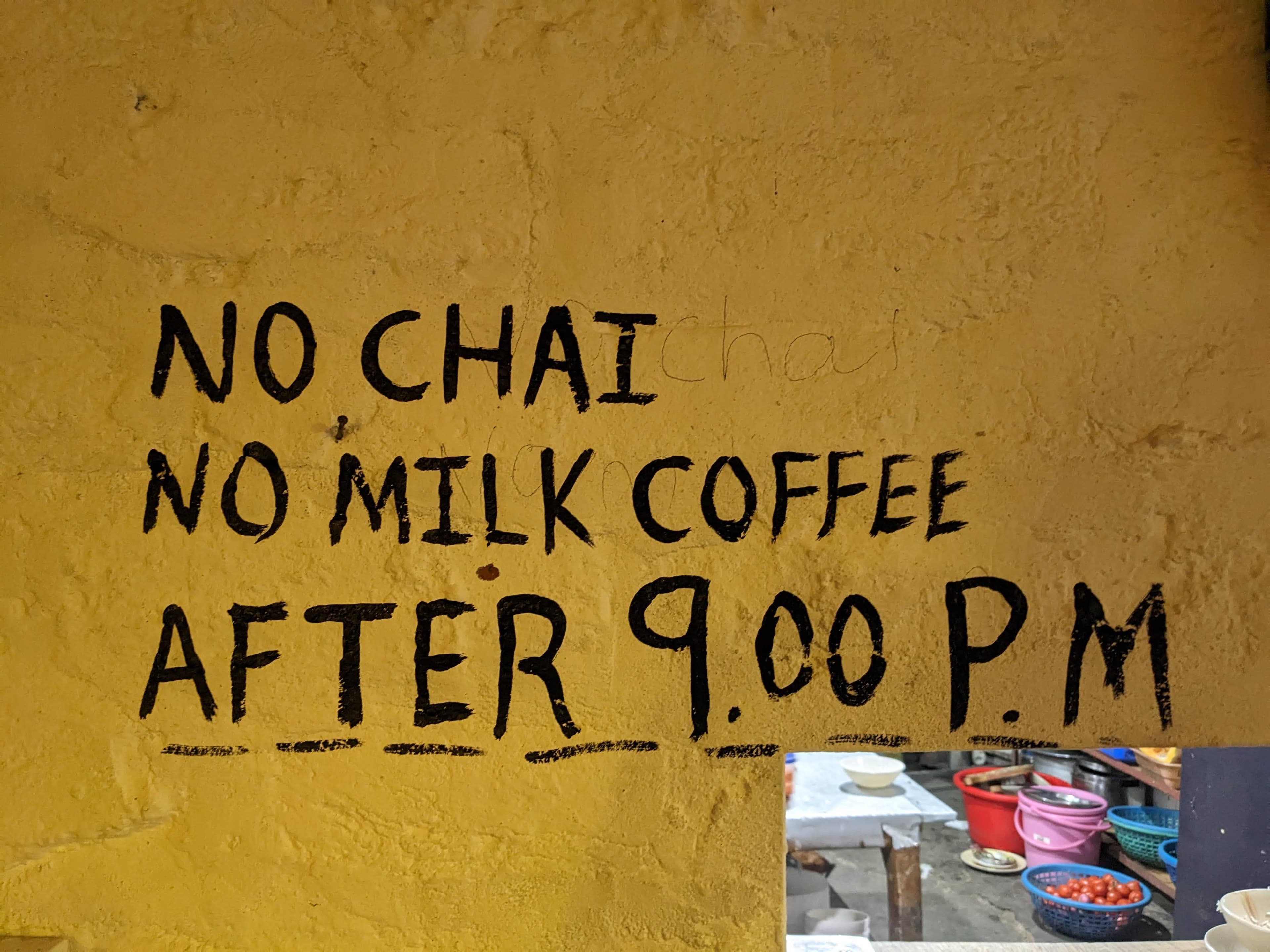
So I went to the Himalayas and went fully all-in for months. I stress-tested every frontier model, talked to engineers, leaders, and non-technical teams. What I was really mapping wasn't capabilities. It was the human dynamics of collaboration between people and AI systems: the trust questions, the role questions, the "who decides what" questions that no benchmark covers.
Human & Machine
Coming down from the Himalayas, I turned research into architecture. The result was a Human↔GenAI Co-creation Ecosystem: 10 specialized applications designed to implement the collaboration patterns I'd been mapping. Not automation. A genuine shift in how humans and AI divide the work.
The Aha Moment
Generative AI could be a force multiplier across all the disciplines already making the difference: software crafting, facilitation, hospitality design, systems thinking. Each domain becomes exponentially more impactful when the whole team thinks this way.
I brought this framework to life at Valle Benedetta, a premium wellness retreat in Tuscany. "The Future of Work. NOW." stopped being a concept and became operational.
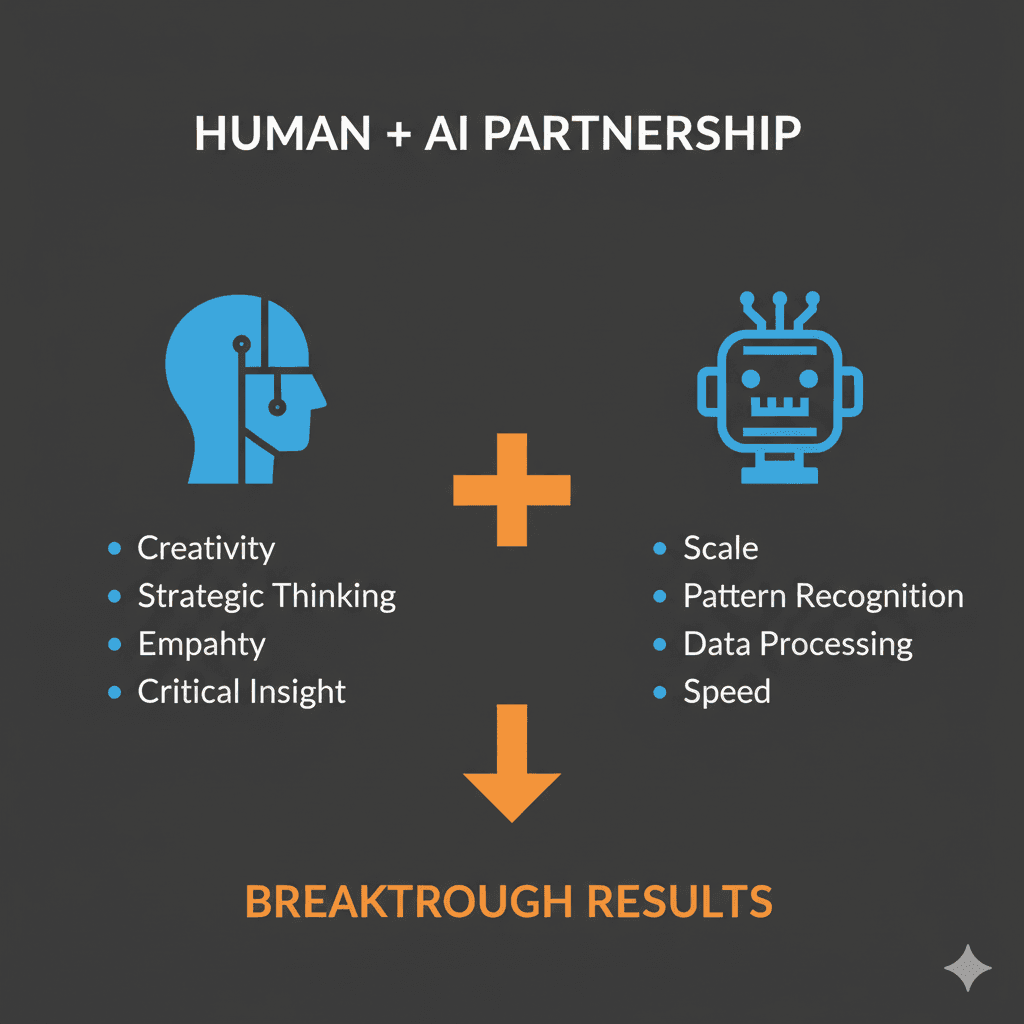
That's what Human&Machine is. The distillation of everything I've learned about why some teams thrive and others plateau. Humans bring the empathy, ethics, and judgment. AI brings scale, iteration, and pattern recognition. When both sides are genuinely respected, something new becomes possible.
Let's Build Something That Lasts
If this story resonates, if you're thinking about how to bring genuine human↔AI collaboration into your team or organization, let's talk.